Aerobika Opep: What Sets the Best Options Apart
For readers comparing devices, Aerobika Opep is often shortlisted because it is designed to help move mucus from the lungs with a simple, repeatable routine. The details matter though, because not every option fits every condition, lifestyle or budget.
What is Aerobika Opep and what does it actually do?
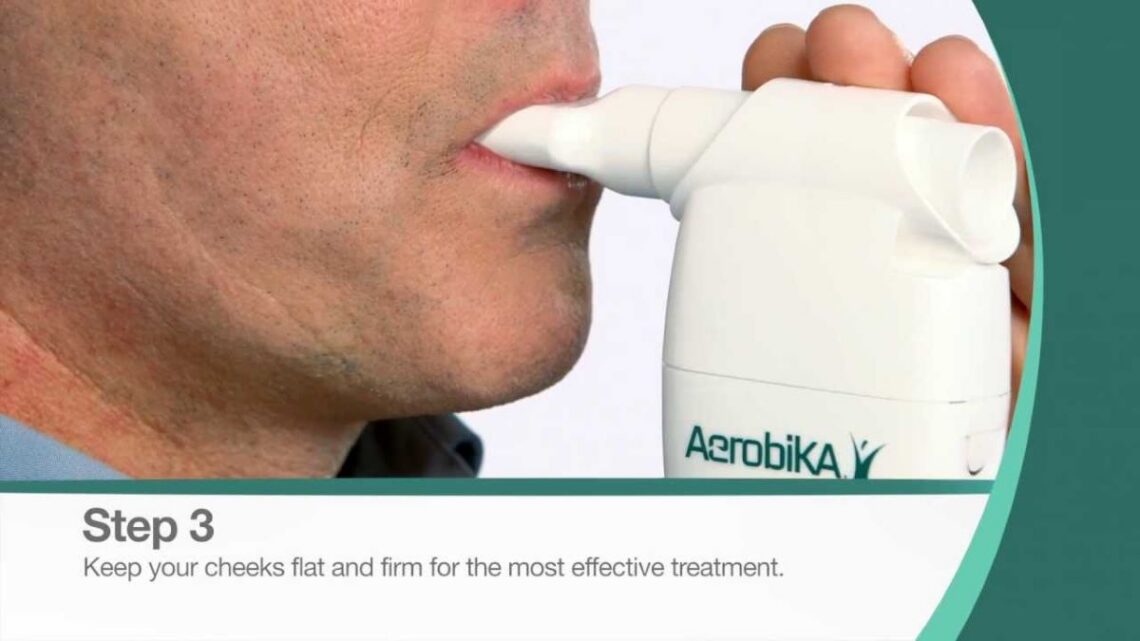
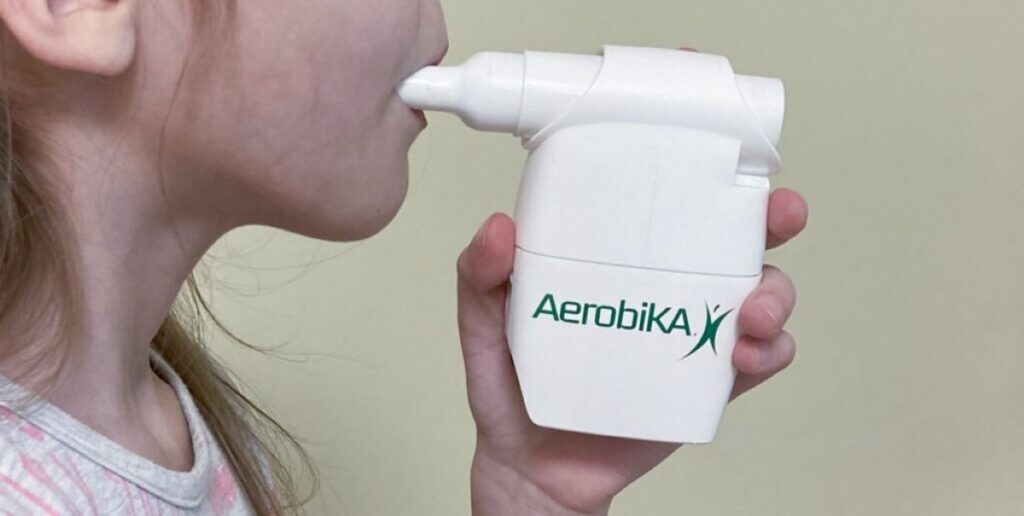
Aerobika Opep is a handheld oscillating positive expiratory pressure device used for airway clearance. It helps keep airways open during exhalation and adds vibrations that can loosen mucus, making it easier to cough or huff out.
In practice, they breathe out through the device in sets, then clear loosened secretions. It is commonly discussed in relation to bronchiectasis, COPD and other conditions where mucus retention is a problem.
Who in Australia tends to benefit most from Aerobika Opep?
They tend to benefit when mucus is sticky, frequent, or hard to clear, and when airway clearance is part of the care plan. It can suit people who need a portable, non-powered option that fits into daily routines.
Australian patients often ask about it after a respiratory specialist, GP, physiotherapist or hospital team recommends an airway clearance approach. It can also be considered when someone wants a simpler alternative to larger equipment, provided it is clinically appropriate.
What sets the best Aerobika Opep options apart from lookalikes?
The best Aerobika Opep options are consistent, well-built, and supported by clear instructions and reliable supply channels. They should feel solid in hand, seal properly at the mouthpiece, and perform consistently across sessions.
Lookalikes can be tempting, but small design differences can change resistance and oscillation behaviour. For airway clearance, consistency matters because they are trying to repeat the same technique day after day and track what works.
How do resistance settings and oscillation strength affect results?
Resistance and oscillation influence how well mucus is loosened and how comfortable the breathing pattern feels. The goal is usually a steady exhale with enough back pressure to keep airways from collapsing, plus oscillations that help mobilise secretions.
With Aerobika Opep, adjustable resistance can make it easier to tailor sessions for different lung function levels. They should still be guided by their clinician, because “harder” is not automatically “better” if it causes fatigue or dizziness.
What should they check for comfort, seal, and day-to-day usability?
A good device should be comfortable at the lips, easy to grip, and simple to assemble without frustration. If the mouthpiece is awkward or the seal is poor, they may shorten sessions or avoid using it altogether.
For Aerobika Opep, usability also includes how easy it is to clean and dry between uses. In Australian homes where routines are busy, the “best” choice is often the one they can realistically maintain.
How important are cleaning and infection-control features?
Cleaning matters because airway clearance devices can trap moisture and secretions. If cleaning is difficult, the risk of bacterial build-up rises, which is a concern for people prone to chest infections.
With Aerobika Opep, they should look for clear cleaning guidance and parts that tolerate regular washing and drying. Many Australians prefer straightforward routines that do not require specialised equipment, but they should still follow clinician and manufacturer advice.
How does Aerobika Opep compare with other airway clearance approaches?
Aerobika Opep is one option within a broader airway clearance toolkit. Some people use breathing techniques alone, while others combine devices with physiotherapy, exercise, nebulised saline, or prescribed inhaled medicines.
Compared with techniques like active cycle of breathing (ACBT), a device can add structure and physical feedback. Compared with powered systems, it is portable and simple, but may not replace other therapies if their clinician has recommended a specific regimen.
What role do clinicians and respiratory physios play in choosing the right option?
They help match the device to diagnosis, lung function, symptoms and technique. Even a well-regarded device can underperform if the breathing pattern, posture, or huff-cough sequence is off.
In Australia, a respiratory physiotherapist can be particularly helpful because they can teach airway clearance step-by-step and adjust the plan over time. For anyone trialling Aerobika Opep, that support can be the difference between “owning it” and actually benefiting from it.
What should Australians know about buying, authenticity, and ongoing supply?
They should buy from reputable Australian suppliers where authenticity and support are clear. That reduces the risk of counterfeit products and helps with warranty questions, replacement parts, or updated instructions.
For Aerobika Opep, consistent access matters because airway clearance is not a one-off purchase. They may need replacement parts, or simply the confidence that the product they are using is the same standard their clinician recommended.
How can they tell if Aerobika Opep is working for them?
Signs it is working often include easier mucus clearance, less chest congestion, fewer “rattly” sensations, and improved breathing comfort after sessions. Some people notice better tolerance for walking or daily tasks, although results vary.
With Aerobika Opep, they should track practical markers such as how often they clear mucus, colour and thickness changes, and how they feel over a week or two. If symptoms worsen, or they notice blood, fever, or increasing breathlessness, they should seek medical advice promptly.
What are the most common mistakes people make with Aerobika Opep?
The most common mistakes are rushing the exhale, skipping the clear-out phase, or using inconsistent technique between sessions. Another frequent issue is stopping too soon because early sessions feel unfamiliar.
With Aerobika Opep, they generally do best with steady, coached practice and a clear routine: sets of breaths, then huffing and coughing to remove loosened mucus. If they are unsure, a respiratory physio can check technique and adjust the plan.
What should they consider if they also use CPAP or home oxygen?
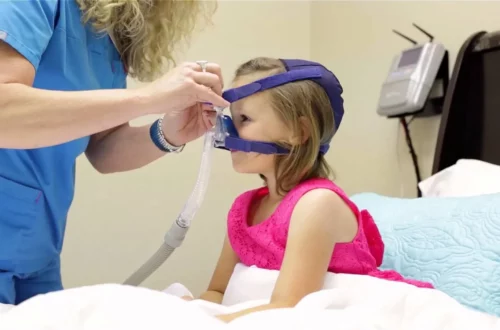
They should treat airway clearance as a separate, coordinated part of their respiratory care plan. Timing can matter, because some people prefer airway clearance before CPAP at night, while others do it earlier in the day to avoid fatigue.
For Australians using home oxygen, they should follow prescribed oxygen safety guidance and clinician instructions, especially if breathlessness increases during sessions. If they are considering Aerobika Opep alongside CPAP or oxygen, clinician input helps ensure the plan is safe and realistic.
Which questions should they ask before choosing the best option?
They should ask which condition the device is intended to support, what success looks like, and how often they should use it. They should also ask how to clean it, when to replace parts, and how to adjust resistance safely.
For anyone choosing Aerobika Opep, it is also worth asking who will check technique and when to review outcomes. A short follow-up appointment can prevent months of ineffective use.
What is the bottom line on what sets the best options apart?
The best choices are the ones that match their diagnosis and technique, feel comfortable to use daily, and are easy to clean and replace through reliable Australian channels. Performance consistency, clinician support, and realistic routines matter more than hype.
For many patients, Aerobika Opep stands out because it is simple, portable, and designed for repeatable airway clearance. The strongest outcomes usually come when they combine the right device with the right coaching and a routine they can stick to.
More to Read : Is Philips Oxygen Concentrator Worth It for Patients Exploring Treatment Options?