
Understanding Sleep Diagnosis: How Sleep Disorders Are Identified and Treated
Sleep plays a vital role in physical health, mental clarity, and emotional balance. When sleep problems become ongoing, they can quietly affect daily performance, mood, and long-term wellbeing. This is where sleep diagnosis becomes essential. Identifying the cause of sleep disturbances is the first step toward restoring healthy, consistent rest and improving overall quality of life.
What Is Sleep Diagnosis and Why It Matters
Sleep diagnosis is a structured medical process used to identify sleep-related disorders that interfere with normal rest. Rather than focusing only on symptoms like fatigue or snoring, it looks deeper to uncover the underlying causes of disrupted sleep.
An accurate diagnosis matters because many sleep disorders share similar symptoms but require very different treatments. Without proper identification, people may rely on temporary fixes that fail to address the real issue. Correct diagnosis leads to targeted treatment, better sleep quality, and reduced risk of related health problems.
Common Sleep Disorders and Their Symptoms
Sleep disorders affect people of all ages and lifestyles. Some of the most common conditions include insomnia, sleep apnoea, restless legs syndrome, and circadian rhythm disorders.
Insomnia often presents as difficulty falling asleep, staying asleep, or waking too early. Sleep apnoea is marked by loud snoring, pauses in breathing, and daytime exhaustion. Restless legs syndrome causes uncomfortable leg sensations that worsen at night. Circadian rhythm disorders disrupt the body’s natural sleep-wake cycle, leading to irregular sleep patterns.
How Sleep Disorders Are Identified
Diagnosing sleep disorders involves more than simply discussing sleep habits. Healthcare professionals use a combination of evaluations and testing to gain a complete picture.
Clinical Evaluation
The process usually begins with a detailed medical and sleep history. Patients may be asked about bedtime routines, lifestyle habits, stress levels, medications, and daytime symptoms. This conversation helps identify patterns and potential triggers affecting sleep quality.
Sleep Studies
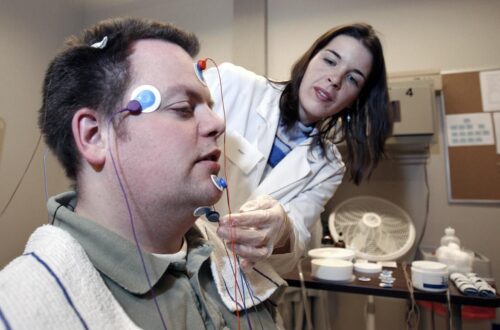
In-lab sleep studies, known as polysomnography, are often used to diagnose complex conditions like sleep apnoea or narcolepsy. These studies monitor brain activity, breathing, heart rate, and movement during sleep to capture accurate data.
Home Sleep Tests
For certain conditions, especially suspected sleep apnoea, home sleep tests may be recommended. These tests allow patients to sleep in their own environment while collecting essential data, offering a convenient and less intrusive option when appropriate.
Treatment Options After Diagnosis
Once a sleep disorder is diagnosed, treatment can be tailored to the individual’s needs. Options vary depending on the condition, severity, and lifestyle factors.
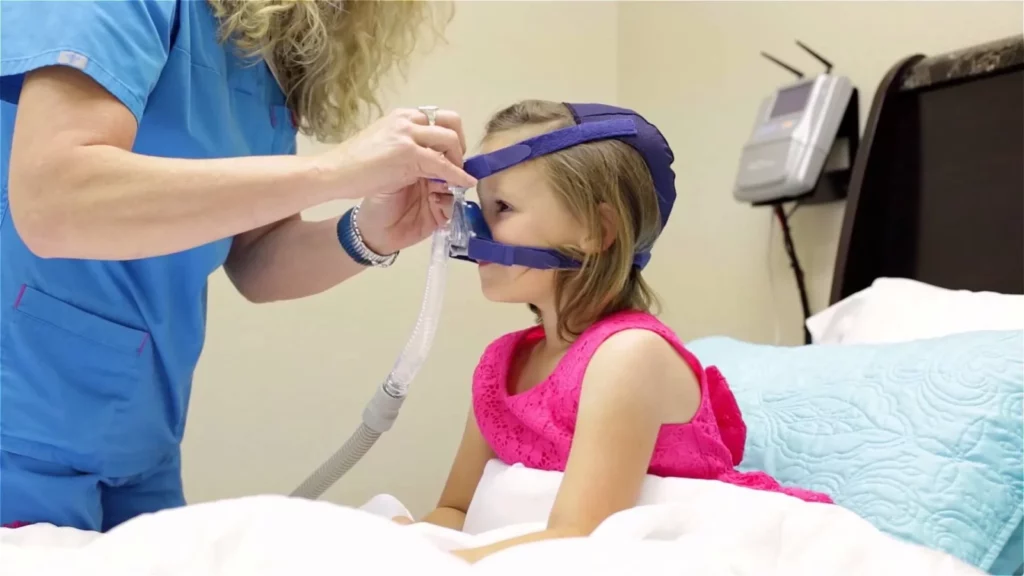
Behavioural therapies, such as cognitive behavioural therapy for insomnia, focus on improving sleep habits and thought patterns. Medical treatments may include devices like CPAP machines for sleep apnoea or prescribed medications when necessary. Lifestyle changes, including improved sleep hygiene, stress management, and consistent routines, often play a key role in long-term success.
Benefits of Early and Accurate Sleep Diagnosis
Early diagnosis helps prevent sleep issues from becoming chronic and reduces the risk of related health conditions such as heart disease, depression, and impaired concentration. It also improves daytime energy, productivity, and mood.
Accurate diagnosis saves time and frustration by avoiding ineffective treatments. When the root cause is properly identified, individuals can follow a clear treatment plan that delivers meaningful, lasting improvements to sleep and overall wellbeing.
Conclusion
Sleep diagnosis is a powerful tool for understanding and resolving ongoing sleep problems. By identifying the exact cause of disrupted sleep, individuals can access effective treatments that restore healthy rest and protect long-term health. If sleep issues persist, seeking professional evaluation can be a life-changing step toward better sleep and a better quality of life.
Frequently Asked Questions (FAQs)
What are the signs that I may need a sleep diagnosis?
Ongoing fatigue, difficulty falling or staying asleep, loud snoring, morning headaches, and trouble concentrating during the day can all signal an underlying sleep disorder. If these symptoms persist for weeks and interfere with daily life, a sleep diagnosis can help identify the cause and guide appropriate treatment.
Is a sleep study uncomfortable or painful?
Sleep studies are generally safe and non-invasive. While sensors are attached to monitor body activity, most people adjust quickly and are able to sleep. The information collected provides valuable insight into sleep patterns and breathing, making the process worthwhile for accurate diagnosis and treatment planning.
Can sleep disorders be diagnosed without staying overnight at a clinic?
Yes, some sleep disorders can be evaluated using home sleep tests. These tests are often used for suspected sleep apnoea and allow people to sleep in their own beds. However, more complex conditions may still require an in-lab sleep study for comprehensive assessment.
How long does it take to receive results from a sleep diagnosis?
Results typically take a few days to a couple of weeks, depending on the type of testing used. Specialists carefully review the data to ensure accuracy before discussing findings and treatment options. Clear explanations are usually provided to help patients understand their diagnosis and next steps.
Can children and adults undergo the same sleep diagnosis process?
While the core diagnostic methods are similar, evaluations are adapted based on age. Children may show different symptoms and require specialised assessment. Sleep specialists tailor testing and interpretation to ensure accurate diagnosis and safe, effective treatment for both children and adults.
Sleep Diagnosis

You May Also Like